
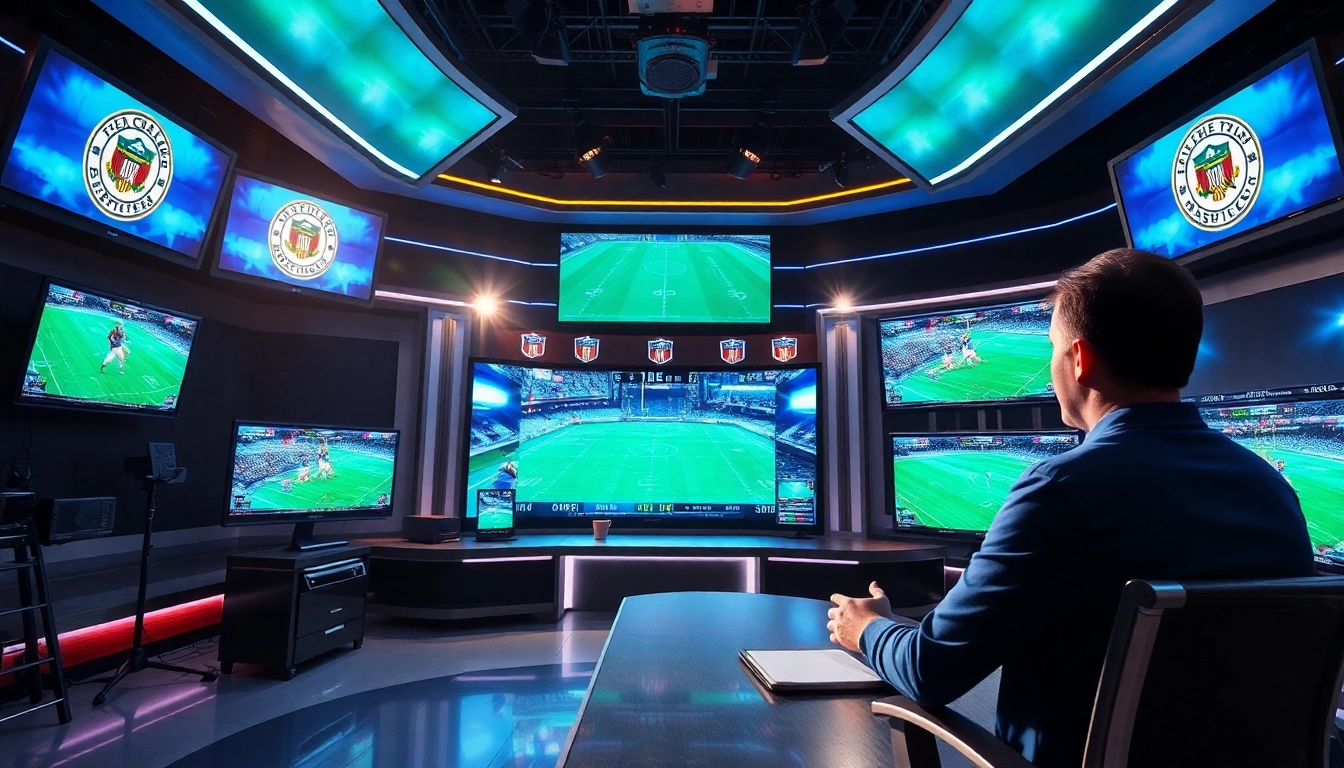
Understanding Sports Broadcasting
Definition and Importance of Sports Broadcasting
Sports Broadcasting is the dissemination of sports events through television, radio, and online platforms to a broad audience. It plays a crucial role in connecting fans with their favorite sports and athletes, providing live coverage, commentary, and analysis. The significance of Sports Broadcasting lies not just in entertainment but also in its power to influence and form communities, create economic opportunities, and foster a deeper engagement with the sports themselves.
Evolution of Sports Broadcasting in the Digital Era
The history of sports broadcasting dates back to the early 20th century, beginning with radio communications of significant events and evolving into television broadcasts. In recent years, the digital era has brought about radical changes. The rise of the internet has transformed how fans consume sports content; social media platforms and streaming services now offer various ways for audiences to engage with sports. This shift has resulted in personalized experiences, allowing fans to watch, interact, and create their own content.
Key Players in the Sports Broadcasting Landscape
The sports broadcasting landscape comprises several key players, including major networks, local stations, and digital platforms. Traditional networks such as ESPN and NBC hold significant sway, while newer entrants like Amazon Prime and social media platforms such as Facebook and Twitter are carving their space in delivering live sports. Additionally, sports leagues and teams also leverage their channels to reach audiences directly, further diversifying how sports content is delivered.
Types of Sports Broadcasting
Live Sports Broadcasting: Maximizing Fan Engagement
Live sports broadcasting is the most compelling form of coverage, as it allows fans to experience the thrill of the game in real time. This type of broadcasting maximizes engagement through interactive features like live chats, viewer polls, and social media integration. Broadcasters often enhance the viewer experience with expert commentary, graphics, and statistics that give context to the play, thereby deepening viewers’ connections to the event.
Recorded and Highlight Shows: Additional Viewing Options
In addition to live broadcasts, recorded shows and highlight reels offer fans a concise recap of key events, making it easier for them to catch up quickly. These programs are essential for engaging viewers who may not have had time to watch the live event. Networks utilize high-quality editing and storytelling techniques to present the highlights in a compelling manner that keeps fans informed and entertained.
Online Streaming vs. Traditional Broadcasting
The rivalry between online streaming and traditional broadcasting continues to shape the sports broadcasting landscape. While traditional broadcasting provides stability and established viewership, online streaming offers flexibility and accessibility, allowing fans to watch from anywhere at their convenience. Streaming services often feature innovative viewing options, such as customizable camera angles and enhanced statistics, paving the way for a new standard in viewer experiences.
Technology in Sports Broadcasting
Innovations Shaping the Future of Sports Broadcasting
Technology continues to play a transformative role in sports broadcasting. Innovations like 4K resolution, HDR imaging, and ultra-slow-motion cameras not only enhance visual quality but also immerse audiences in the action. Furthermore, developments in wireless broadcasting technology allow for seamless coverage of events, even from challenging locations, thus improving the overall viewing experience.
How AI and Analytics Enhance Sports Broadcasting
Artificial intelligence (AI) and analytics are becoming integral in sports broadcasting. These technologies enable broadcasters to analyze viewer preferences, improve content recommendations, and personalize viewer experiences. AI-powered tools can also enhance production by automating camera movements or providing real-time data insights that are invaluable for commentators, enabling richer and more engaging storytelling.
Cloud Services and Remote Broadcasting: A New Approach
The advent of cloud services has revolutionized sports broadcasting by enabling remote production. This approach reduces travel costs and allows for broader coverage across multiple events simultaneously. Cloud-based workflows facilitate collaboration among teams, grant access to extensive libraries of footage, and enhance overall production quality while staying highly adaptable to unplanned changes.
Challenges in Sports Broadcasting
Regulatory Hurdles for Broadcasters
Regulatory issues present significant challenges for sports broadcasters. Licensing rights, broadcasting regulations, and international laws often vary dramatically across regions, complicating global reach. Broadcasters must navigate these complex landscapes carefully to avoid legal issues and ensure compliance while providing competitive coverage.
Maintaining Broadcast Integrity and Fairness
Ensuring fairness and integrity in broadcasts is fundamental for maintaining trust. Broadcasters must adhere to ethical guidelines to deliver transparent and unbiased coverage. This is especially crucial during controversial events where emotions run high, as any perceived bias can lead to backlash and erode viewer confidence.
Adapting to Viewer Demands and Changing Preferences
Viewer preferences are continually evolving, driven by technology, culture, and societal shifts. Broadcasters face the challenge of adapting content and presentation styles to attract younger demographics while maintaining the interest of traditional audiences. This may involve exploring new formats, interactive features, or digital platforms that cater to these diverse needs.
Future Trends in Sports Broadcasting
Augmented Reality and Virtual Reality in Sports Broadcasting
Augmented reality (AR) and virtual reality (VR) are poised to transform sports broadcasting by offering immersive experiences that could revolutionize fan engagement. AR can enhance live broadcasts with overlays of statistics and interactive elements, while VR opens up entirely new realms, allowing fans to experience events from unique perspectives as if they were present in the stadium.
Sustainability Practices in Sports Broadcasting
As sustainability becomes increasingly important, the sports broadcasting industry is exploring eco-friendly practices. This includes minimizing waste during production, utilizing energy-efficient technologies, and reducing carbon footprints. By embracing sustainable practices, broadcasters not only contribute to environmental conservation but also appeal to the growing demographic of environmentally conscious viewers.
Engaging the Next Generation of Viewers
The future of sports broadcasting hinges on effectively engaging the next generation of viewers. By prioritizing digital platforms, interactive content, and user-generated material, broadcasters can cultivate a sense of community among younger audiences. Investing in eSports, podcasts, and narrative-driven content may also capture and retain this demographic’s attention, ensuring the longevity of the sports broadcasting industry.
FAQs about Sports Broadcasting
What is Sports Broadcasting?
Sports Broadcasting refers to the distribution of sports events over various media, including TV, radio, and online platforms, enhancing fan engagement through live coverage and commentary.
How has Sports Broadcasting evolved with technology?
Sports Broadcasting has embraced innovations like streaming services, AI, and AR/VR technology, enhancing viewer experiences with personalized and immersive content delivery.
What are the challenges facing Sports Broadcasting today?
Key challenges include regulatory issues, maintaining broadcast integrity, and adapting to rapidly changing viewer demands and preferences in the digital age.
How do online streaming platforms influence Sports Broadcasting?
Online streaming platforms provide flexibility, accessibility, and innovative viewer engagement options, positioning themselves as major competitors to traditional broadcasting networks.
What future trends are emerging in Sports Broadcasting?
Future trends include the integration of AR and VR technology, adopting sustainability practices, and focusing on engaging younger audiences through interactive and digital content.